

Early Childhood Education Career
July 24, 2021

July 24, 2021

July 23, 2021

July 22, 2021

July 24, 2021

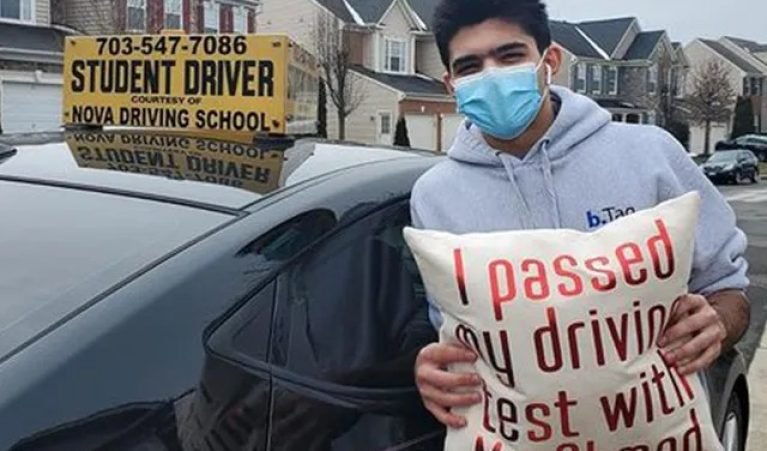
If you are preparing for your driving exam, one of the most common questions you may ask is: How many mistakes are allowed on the Virginia DMV road test? Understanding how the test is scored can reduce anxiety and help you focus on what truly matters. The Virginia DMV road test evaluates your ability to drive safely, follow traffic laws, and demonstrate responsible decision-making behind the wheel. While the DMV does not publish a simple “number of mistakes” rule, it uses a point-based evaluation system that determines whether you pass or fail.
During the Virginia DMV road test, the examiner observes your driving behavior and marks errors based on severity. Minor errors may not immediately cause failure, but serious or repeated mistakes can result in an automatic fail. Instead of counting mistakes, examiners focus on safe driving performance throughout the test.
Most road tests last between 15 and 20 minutes. During this time, the examiner evaluates lane control, speed management, signaling, observation skills, and compliance with traffic signs and signals. If you demonstrate consistent control and awareness, small mistakes may not prevent you from passing.
Not all mistakes carry the same weight. Understanding the difference between minor errors and critical violations helps you prepare more effectively.
Minor mistakes may include:
You can make a few minor mistakes and still pass the Virginia DMV road test, as long as you maintain overall control and safety.
Automatic failure mistakes include:
Any action that puts others at risk usually results in immediate failure, regardless of how well you performed otherwise.
The Virginia DMV road test does not expect perfection. Instead, it looks for safe, confident, and predictable driving. Examiners understand that new drivers feel nervous. They focus on whether you can identify hazards, respond calmly, and follow traffic rules consistently.
For example, if you forget to check your mirror once but otherwise show strong observation skills, the examiner may mark it as a minor error. However, repeated failures to check mirrors or blind spots show a pattern of unsafe behavior, which can lead to failure.
Many applicants fail the Virginia DMV road test due to avoidable errors. Being aware of these common problem areas can help you prepare better.
Some frequent issues include:
Practicing these skills repeatedly before test day can significantly increase your chances of passing.
Enrolling in a DMV Virginia One on One Class is one of the most effective ways to reduce mistakes during your road test. Personalized instruction allows you to focus on your weak areas and practice under real test-like conditions.
In a one-on-one class, an instructor can:
This focused approach often makes a big difference, especially for nervous or adult drivers who need extra confidence behind the wheel.
While the DMV does not publish an official number, most instructors agree that a few minor mistakes are usually acceptable, as long as you avoid critical errors. Think of the test as a balance: consistent safe driving can offset small slips, but one dangerous action can end the test immediately.
Instead of worrying about the exact number of mistakes, concentrate on:
This mindset improves your performance more than counting errors.
You can improve your chances of success with the right preparation. Here are some practical tips:
Confidence, preparation, and focus go a long way toward a passing result.
So, how many mistakes are allowed on the Virginia DMV road test? The answer depends on the type and severity of the mistakes. Minor errors may not prevent you from passing, but unsafe actions almost always lead to failure. The Virginia DMV road test prioritizes safety, control, and responsible driving over perfection.

Hi There, my name is Paul and I am one of the writers for Blogging Beep. I am an accountant during the day with a deep passion in helping others through written expression and creation of content. Hope you like my articles. Feel free to share my articles on your social channels.

A dishwasher should make kitchen cleanup easier, not leave you dealing with standing water, dirty dishes, leaks, or strange sounds....

Invisalign has become a popular orthodontic option for people who want straighter teeth without traditional metal braces. Instead of using...


