

Early Childhood Education Career
July 24, 2021

July 24, 2021

July 23, 2021

July 22, 2021

July 24, 2021


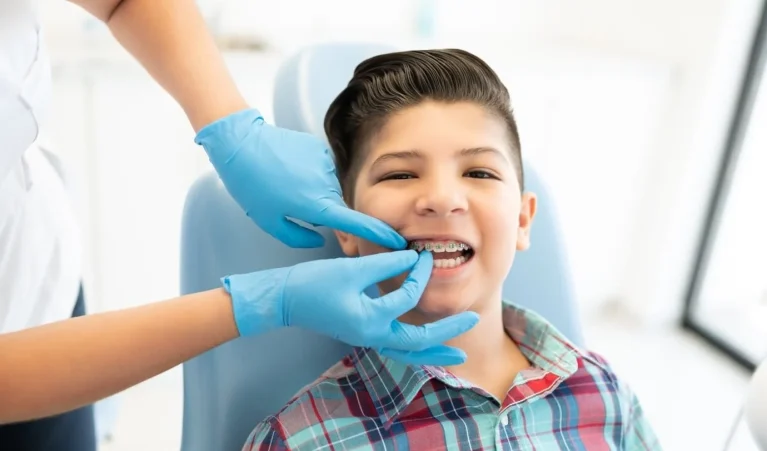
Adult orthodontics can improve your smile, bite, and overall dental function, but treatment also requires consistent oral care. Braces, wires, brackets, or clear aligners can create areas where food particles and plaque collect more easily. Without proper cleaning, you may develop cavities, gum irritation, bad breath, or white spots on your teeth.
Adults often have busy schedules, which can make it tempting to skip brushing or rush through flossing. However, maintaining a regular routine helps protect your teeth throughout treatment. Good oral hygiene also allows your orthodontic treatment to progress smoothly and helps you achieve a healthier-looking smile when treatment ends.
You should brush your teeth at least twice a day, preferably after meals when possible. Use a soft-bristled toothbrush and fluoride toothpaste to clean your teeth without irritating your gums.
If you wear traditional braces, pay special attention to the areas around brackets and wires. Hold your toothbrush at different angles so you can clean above and below each bracket. Brush gently along the gumline because plaque can accumulate there and cause inflammation.
Electric toothbrushes can also make cleaning easier. Spend enough time brushing every surface of your teeth rather than focusing only on the front surfaces that you can see.
For patients using clear aligners, remove the aligners before brushing. Clean your teeth thoroughly before putting the trays back in your mouth. This simple habit helps prevent food and bacteria from becoming trapped between your teeth and aligners.
Flossing remains essential during adult orthodontics because brushing alone cannot clean effectively between your teeth. With braces, traditional flossing may take more time because you need to guide the floss underneath the orthodontic wire.
A floss threader, orthodontic floss, or water flosser can make the process easier. Carefully clean between every tooth and around the gumline. Avoid forcing the floss because aggressive movements can irritate your gums or damage orthodontic components.
Patients who use clear aligners should also floss before wearing their trays again. Clean teeth reduce the amount of bacteria trapped against the enamel while the aligners remain in place.
Your diet can significantly affect your oral health during orthodontic treatment. Hard, sticky, and excessively chewy foods can damage brackets or wires. You should limit foods such as hard candies, chewing gum, ice, and very hard nuts.
You should also cut crunchy foods into smaller pieces when appropriate. Instead of biting directly into hard fruits or vegetables, cut them into manageable pieces.
A balanced diet can support your oral health during treatment. Choose foods that provide nutrients while avoiding excessive sugar. Frequent sugary snacks can increase your risk of tooth decay, especially when orthodontic appliances make cleaning more difficult.
If you choose Miami Invisalign treatment, your aligners require consistent cleaning and proper handling. Remove the trays before eating unless your orthodontist gives you different instructions. After meals, brush and floss your teeth before replacing the aligners whenever possible.
Clean the aligners regularly according to your orthodontist’s recommendations. Avoid exposing them to very hot water because heat can affect their shape. When you remove the trays, place them in their protective case instead of wrapping them in a napkin.
This habit helps prevent accidental loss or damage. You should also avoid placing dirty aligners back over unclean teeth because this can trap bacteria and food particles against your enamel.
Yes, drinking water throughout the day can support good oral hygiene. Water helps rinse away loose food particles and keeps your mouth from becoming excessively dry.
Choose water instead of sugary drinks whenever possible. Soft drinks, sweetened coffee, energy drinks, and other sugary beverages can contribute to enamel damage and tooth decay.
If you wear clear aligners, water is generally the safest beverage to consume while wearing them. Remove the aligners when drinking beverages other than water unless your orthodontist specifically recommends otherwise.
Healthy gums provide important support for your teeth, so you should monitor them throughout treatment. Red, swollen, or bleeding gums can indicate that plaque is building up around the gumline.
Do not stop brushing or flossing because your gums bleed slightly. Instead, improve your cleaning technique and use gentle movements. If bleeding continues or you notice significant swelling, tenderness, or other unusual symptoms, contact your dental professional.
Regular professional cleanings can also help control plaque and tartar. Your general dentist and orthodontist can work together to maintain your oral health while your teeth move into better positions.
Orthodontic appointments are important, but they do not replace routine dental checkups. Continue visiting your general dentist for examinations and professional cleanings according to your dentist’s recommendations.
Your dentist can check for cavities, gum problems, enamel changes, and other concerns that may develop during treatment. Your orthodontist focuses on tooth movement and bite correction, while your general dentist helps maintain your overall oral health.
Keeping both types of appointments creates a more complete approach to dental care during adult orthodontics.
Accidents can happen during treatment. A loose bracket, broken wire, or damaged aligner should not be ignored. Contact your orthodontic office and explain what happened so the team can advise you on the next step.
Do not attempt to permanently repair orthodontic appliances yourself. If a wire irritates your cheek or gums, orthodontic wax may provide temporary comfort until you receive professional guidance.
Following your orthodontist’s instructions can prevent a minor problem from interfering with your treatment schedule.
Choosing the right orthodontic provider can make it easier to understand how to care for your teeth throughout treatment. Ivanov Orthodontic Experts can provide personalized guidance based on your orthodontic appliance, oral health, and treatment goals.
Whether you receive braces or clear aligners, following professional instructions can help you maintain clean teeth and healthy gums while your smile changes. Your orthodontic team can also answer questions about brushing techniques, aligner care, dietary choices, and appointment schedules.
A simple daily routine can make oral care easier. Brush thoroughly in the morning and before bed, floss at least once a day, and clean your orthodontic appliance as instructed. After eating, rinse your mouth with water and clean your teeth when practical.
Keep essential dental-care supplies with you when you are away from home. A travel toothbrush, fluoride toothpaste, floss, and aligner case can help you maintain your routine at work, while traveling, or during a busy day.
Consistency matters more than complicated routines. Small habits performed every day can make a significant difference in your oral health.
Every orthodontic treatment plan is different. Your orthodontist considers your bite, tooth position, oral health, appliance type, and treatment goals when developing your plan. Following those instructions can help you avoid unnecessary delays and protect your teeth.
If you are considering adult orthodontics or exploring Miami Invisalign treatment, ask your orthodontic team about the best cleaning and maintenance routine for your specific needs. Ivanov Orthodontic Experts can help you understand the daily habits that support a clean, healthy smile throughout your orthodontic journey.
Caring for your teeth during orthodontic treatment does more than keep your mouth clean. It helps protect your enamel, supports healthy gums, reduces the risk of decay, and contributes to a healthier smile after treatment.
Adult orthodontics requires commitment, but a consistent oral-care routine makes the process much easier. Brush carefully, floss regularly, make smart food choices, clean your aligners properly, attend dental and orthodontic appointments, and contact your provider when problems occur. With these habits, you can protect your oral health while working toward the confident smile you want.

Hi There, my name is Paul and I am one of the writers for Blogging Beep. I am an accountant during the day with a deep passion in helping others through written expression and creation of content. Hope you like my articles. Feel free to share my articles on your social channels.

The construction industry is changing rapidly as technology becomes an important part of planning, designing, and managing projects. The use...

Woodworking depends on more than accurate measurements and quality timber. A reliable adhesive can make the difference between a project...