

Early Childhood Education Career
July 24, 2021

July 24, 2021

July 23, 2021

July 22, 2021

December 8, 2021


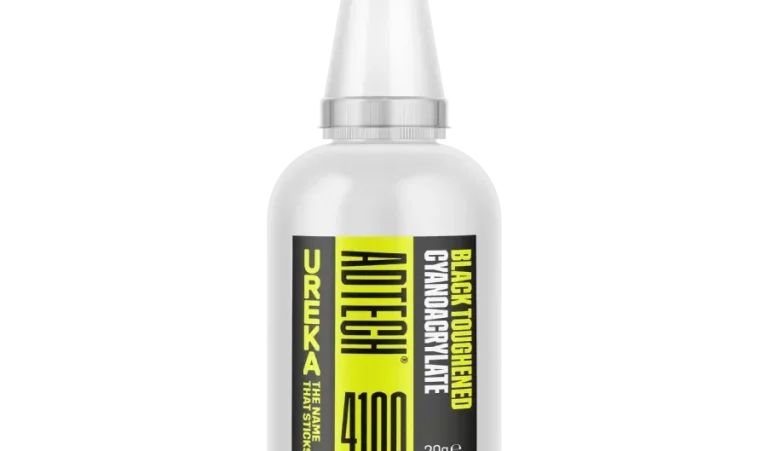
Aluminium is widely used in construction, manufacturing, automotive applications, electronics, furniture, and countless DIY projects. Its lightweight nature, strength, corrosion resistance, and sleek appearance make it a popular material for both industrial and everyday applications. However, joining aluminium surfaces can sometimes be challenging. This is where the right glue aluminium solution can make a significant difference.
Whether you are repairing an aluminium component, joining two sheets, or working on a DIY project, selecting a reliable aluminium to aluminium glue is essential for creating a strong and durable bond.
At first glance, aluminium may seem like an easy material to bond. However, its smooth surface and naturally occurring oxide layer can make adhesion difficult. Aluminium quickly develops a thin layer of aluminium oxide when exposed to air. This layer can interfere with the bonding process if the surface is not prepared correctly.
Another challenge is that aluminium can expand and contract with changes in temperature. Therefore, the adhesive used should ideally have sufficient flexibility and strength to accommodate minor movement without losing its grip.
For these reasons, choosing an adhesive specifically designed for metal applications is often better than using a general-purpose glue.
Aluminium to aluminium glue is an adhesive formulated to bond two aluminium surfaces securely. Depending on the application, different adhesive technologies may be suitable, including epoxy adhesives, structural adhesives, and certain high-performance instant adhesives.
A good adhesive for aluminium should offer strong initial adhesion, durability, resistance to moisture and temperature changes, and long-term bonding performance. The right choice ultimately depends on the size of the components, the amount of load involved, environmental conditions, and whether the joint needs flexibility or rigidity.
When selecting a product to glue aluminium, consider the following factors:
The first consideration is how much stress the joint will experience. For lightweight household repairs, a standard metal adhesive may be sufficient. For industrial or structural applications, choose a high-strength adhesive designed specifically for demanding metal bonding.
Even the best aluminium to aluminium glue may fail if the surfaces are dirty, oily, or oxidized. Before applying adhesive, clean both aluminium surfaces thoroughly to remove dust, grease, oil, and other contaminants.
Lightly abrading the surfaces can also improve mechanical adhesion by creating a better surface for the adhesive to grip. After preparation, remove any remaining dust before applying the glue.
Different adhesives have different curing times. Some provide a quick bond within minutes, while others require several hours or longer to achieve maximum strength.
Consider how quickly you need to use the bonded component. If speed is important, choose a fast-curing adhesive. For applications where maximum strength is the priority, a longer-curing structural adhesive may be more appropriate.
Aluminium is frequently used in environments where temperatures can fluctuate. If the bonded parts will be exposed to heat, cold, or outdoor conditions, check the adhesive’s recommended operating temperature range.
Choosing an adhesive with suitable temperature resistance helps maintain bond performance over time.
For outdoor applications or components exposed to moisture, select an adhesive that provides good resistance to water and humidity. Industrial applications may also require resistance to oils, fuels, cleaning agents, or other chemicals.
Using an aluminium to aluminium glue effectively requires proper preparation and application.
Step 1: Clean the surfaces
Remove grease, dirt, dust, and other contaminants from both aluminium surfaces.
Step 2: Prepare the aluminium
If recommended by the adhesive manufacturer, lightly roughen the bonding areas with suitable abrasive material. This can improve adhesion.
Step 3: Apply the adhesive
Apply an even and appropriate amount of glue to one or both surfaces according to the product instructions. Avoid using excessive adhesive, as more glue does not necessarily mean a stronger bond.
Step 4: Join the surfaces
Position the aluminium parts carefully and press them together. Make sure they remain properly aligned.
Step 5: Allow sufficient curing time
Keep the components securely positioned while the adhesive cures. Avoid placing stress on the joint until the recommended curing time has passed.
Using adhesive instead of traditional mechanical fastening methods can offer several advantages. Gluing can create a clean appearance without visible screws, bolts, or rivets. It can also distribute stress across a larger bonding area rather than concentrating it around individual fasteners.
Adhesive bonding may also reduce the need for drilling holes, which can be useful when working with thin aluminium sheets or finished surfaces. In addition, adhesives can help create a seal between joined surfaces, depending on the product used.
A reliable aluminium to aluminium glue can be useful for many applications, including aluminium sheets, panels, frames, enclosures, furniture components, decorative items, automotive parts, appliances, and DIY repairs.
However, for safety-critical or heavily loaded components, adhesive bonding should be selected and tested according to the manufacturer’s recommendations and the requirements of the specific application.
Finding the right solution to glue aluminium is about more than simply choosing a strong adhesive. Surface preparation, curing time, environmental exposure, temperature, and the required bond strength all play important roles.
For projects involving two aluminium surfaces, a purpose-designed aluminium to aluminium glue can provide a clean, reliable, and durable alternative to conventional fastening methods. By selecting the appropriate adhesive and following the manufacturer’s application instructions carefully, you can achieve a strong bond that performs effectively for your intended application.

Hi There, my name is Paul and I am one of the writers for Blogging Beep. I am an accountant during the day with a deep passion in helping others through written expression and creation of content. Hope you like my articles. Feel free to share my articles on your social channels.

Aluminium plays an important role in modern industrial applications because of its lightweight structure, excellent corrosion resistance, strength, and versatility....

The beverage industry offers a wide range of professional opportunities across manufacturing, distribution, marketing, sales, hospitality, and business development. As...
