

Early Childhood Education Career
July 24, 2021

July 24, 2021

July 23, 2021

July 22, 2021
December 8, 2021


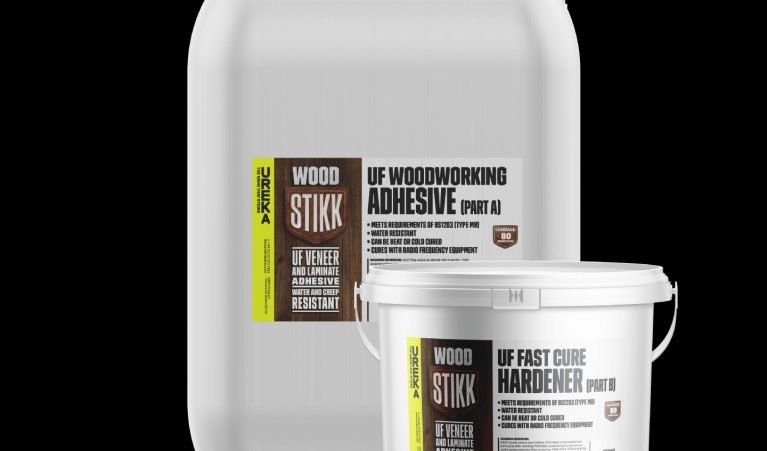
Wood veneer is widely used in furniture manufacturing, interior decoration, cabinetry, and architectural woodworking because it offers the beauty of natural wood while reducing material costs. However, the success of any veneering project depends on more than just selecting high-quality veneer sheets. Choosing the right adhesive for wood veneer is essential to achieve a smooth finish, strong bonding, and long-lasting durability.
Whether you’re a professional carpenter, furniture manufacturer, or DIY enthusiast, understanding how veneer adhesive works can help you complete projects with precision and confidence.
Veneer adhesive is a specially formulated glue designed to bond thin wood veneer sheets to substrates such as plywood, MDF, particleboard, or solid wood. Unlike standard wood glues, veneer adhesives are engineered to provide even coverage, excellent bond strength, and resistance to heat, humidity, and daily wear.
A quality adhesive ensures that the veneer stays firmly attached without bubbling, cracking, or peeling, even after years of use.
Selecting the proper adhesive for wood veneer directly impacts the appearance and durability of the finished product. The right adhesive provides several important benefits:
Using the wrong adhesive can result in poor bonding, uneven surfaces, and expensive repairs.
There are several types of veneer adhesive, each suitable for different woodworking applications.
Polyvinyl acetate (PVA) adhesive is one of the most commonly used options for interior veneering. It is easy to apply, dries clear, and offers excellent bond strength for furniture and cabinetry.
Contact adhesives provide an instant bond once two coated surfaces come together. They are useful for large veneer panels where clamping is difficult, though they require careful alignment because repositioning is limited.
This adhesive is preferred in commercial woodworking due to its high strength, rigid bond, and excellent resistance to creep. It is commonly used for premium furniture and architectural panels.
Epoxy-based adhesives deliver exceptional durability and moisture resistance, making them suitable for specialized projects exposed to demanding conditions.
A premium adhesive for wood veneer is used in a wide variety of woodworking and interior design projects, including:
Selecting the appropriate adhesive ensures reliable performance across these applications.
Correct application techniques are just as important as selecting the adhesive itself.
Clean the substrate thoroughly to remove dust, grease, and moisture. A smooth and dry surface allows for better adhesion.
Spread the veneer adhesive evenly using a roller, brush, or glue spreader. Uniform coverage helps prevent bubbles and weak bonding.
Carefully align the veneer sheet over the substrate before applying pressure. Accurate positioning minimizes adjustments during installation.
Use clamps, a veneer press, or a roller to apply consistent pressure across the entire surface. Even pressure ensures full contact between the veneer and substrate.
Follow the manufacturer’s recommended curing time before trimming edges, sanding, or applying finishes.
When selecting an adhesive for wood veneer, consider these important factors:
Choosing a premium product helps ensure professional-quality results and reduces the likelihood of future repairs.
Even the highest-quality veneer adhesive may not perform well if proper installation techniques are ignored. Avoid these common mistakes:
Paying attention to these details significantly improves the quality of the finished project.
Proper maintenance helps preserve the appearance and durability of veneered furniture. Dust surfaces regularly with a soft cloth, clean spills immediately, avoid prolonged exposure to moisture, and protect the surface from direct sunlight and excessive heat. Routine care keeps both the veneer and adhesive bond in excellent condition for years.
Choosing the right adhesive for wood veneer is one of the most important steps in producing durable and attractive woodworking projects. A high-quality veneer adhesive provides excellent bonding strength, resists moisture and heat, and helps create a flawless finish that enhances the natural beauty of wood.
Whether you’re manufacturing furniture, installing decorative panels, or completing a DIY woodworking project, investing in the right adhesive and following proper application techniques will ensure lasting performance. With careful preparation and the appropriate veneer adhesive, you can achieve professional results that combine elegance, strength, and long-term reliability.

Hi There, my name is Paul and I am one of the writers for Blogging Beep. I am an accountant during the day with a deep passion in helping others through written expression and creation of content. Hope you like my articles. Feel free to share my articles on your social channels.

In the competitive food industry, presentation plays an important role in attracting customers and building a memorable dining experience. While...

The internet is full of funny moments, unexpected reactions, and viral jokes that bring people together. Among the many popular...
