

Early Childhood Education Career
July 24, 2021

July 24, 2021

July 23, 2021

July 22, 2021

December 8, 2021


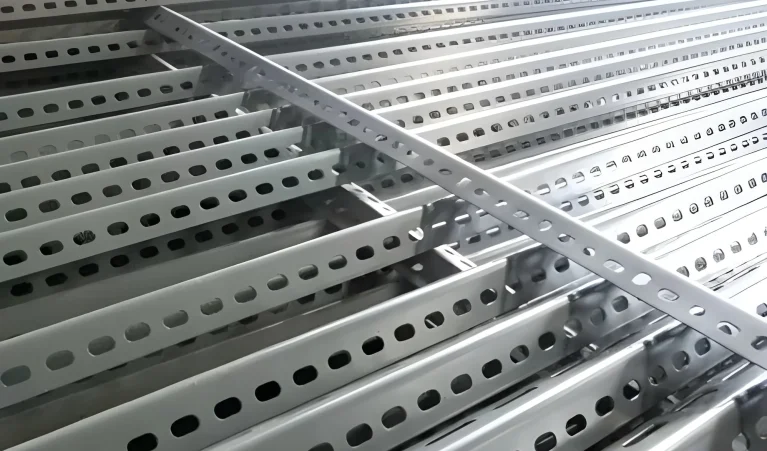
Choosing the right metal supplier can directly affect the quality, cost, and efficiency of your projects. Aluminium is widely used in construction, engineering, manufacturing, marine applications, and many other industries because it is lightweight, durable, and corrosion-resistant. However, not every supplier offers the same level of product quality, service, or reliability.
If you are searching for an Aluminium Supplier Singapore, you should look beyond price. A dependable supplier should offer quality materials, consistent availability, accurate specifications, competitive pricing, and professional service. Understanding these factors can help you make a practical decision for your business or project.
Product quality should be one of your first considerations when choosing an aluminium supplier. High-quality aluminium can provide better durability, appearance, strength, and performance. Poor-quality materials can create problems during fabrication, installation, or long-term use.
Ask the supplier about the aluminium grades, dimensions, thicknesses, and finishes they provide. You should also check whether the products meet relevant industry standards and project specifications.
A reliable Aluminium Supplier Singapore should clearly communicate product details and help you select suitable materials according to your application. Clear specifications can reduce errors and prevent unnecessary material waste.
Different projects require different aluminium products. Depending on your application, you may need aluminium sheets, plates, coils, bars, rods, tubes, or other fabricated forms.
A supplier with a broad product range can make purchasing easier. Instead of working with multiple suppliers, you may be able to source several materials from one company. This can simplify communication, purchasing, delivery coordination, and inventory management.
Before placing an order, review the supplier’s product catalogue and confirm whether they can consistently provide the sizes and grades your projects require.
Stock availability can have a major impact on project schedules. Even when a supplier offers high-quality aluminium, delays can create problems if the required materials are not readily available.
Ask about current stock levels, lead times, and their ability to handle recurring orders. A dependable supplier should provide realistic delivery timelines rather than making promises they cannot meet.
For businesses with regular material requirements, consistent stock availability can also help improve production planning. Discussing your expected order volume with the supplier can help you understand how well they can support your ongoing requirements.
Price matters, but it should not become the only factor in your decision. The cheapest material may not always provide the best overall value if it creates quality problems, delays, or additional fabrication costs.
Compare quotations from several suppliers and look at what each quotation includes. Consider material specifications, quantity, delivery charges, lead time, cutting services, and other relevant costs.
A transparent quotation allows you to compare suppliers more accurately. You should also ask about minimum order quantities and whether pricing changes for bulk purchases.
Many businesses require more than aluminium for their projects. They may also need stainless steel, mild steel, or other metal products. Working with a supplier that handles multiple materials can simplify procurement.
For example, businesses looking for Stainless Steel Singapore products may benefit from a supplier that can provide both aluminium and stainless steel according to project requirements. This approach can reduce the need to coordinate with several vendors.
Before choosing a supplier, check whether they can support the full range of materials your business commonly uses.
Good customer service can make metal purchasing much easier. Your supplier should respond clearly to questions about product specifications, availability, pricing, and delivery.
Technical knowledge is also valuable. If you are unsure which aluminium grade or product size suits your application, an experienced supplier can help you understand your options.
Professional communication also becomes important when you place large or repeat orders. A supplier who maintains accurate records and communicates changes promptly can help prevent purchasing mistakes.
Some projects require aluminium or other metal products in specific lengths and sizes. Suppliers that offer cutting or basic processing services can save customers time and reduce material handling requirements.
Ask whether the supplier provides services such as cutting, bending, or other forms of preparation. You should also confirm the acceptable tolerances and specifications before placing an order.
These services can be particularly useful for construction and manufacturing businesses that want materials prepared for their next production or installation stage.
Reliable delivery is an important part of supplier selection. Even excellent materials are less useful if they arrive late or in poor condition.
Ask about delivery areas, estimated lead times, packaging, and order tracking. For large or urgent orders, discuss logistics requirements before confirming the purchase.
A supplier with an organized delivery process can help your business maintain better inventory control and avoid unnecessary project interruptions.
Experience can provide valuable insight into a supplier’s ability to serve different industries and handle varying material requirements. An established supplier may understand common challenges related to aluminium sourcing, specifications, stock management, and delivery.
However, do not judge a supplier only by the number of years it has operated. Consider its product range, service quality, communication, reliability, and ability to meet your specific requirements.
Kian Huat Metal Pte Ltd can be considered when evaluating metal suppliers in Singapore because businesses can assess its aluminium and other metal product offerings according to their project requirements.
Before making a final decision, ask a few practical questions:
Getting clear answers can help you compare suppliers objectively and avoid unexpected issues after placing an order.
The right supplier should match your project’s technical, budgetary, and delivery requirements. Instead of focusing on one factor, evaluate product quality, range, stock availability, pricing, customer service, processing capabilities, and delivery reliability together.
A supplier that consistently meets your specifications can become a valuable long-term business partner. For companies sourcing aluminium and other metals in Singapore, Kian Huat Metal Pte Ltd is one supplier you can evaluate based on your specific material and project requirements.
Ultimately, choosing the right Aluminium Supplier Singapore requires careful comparison and clear communication. By checking product quality, confirming specifications, reviewing prices, and evaluating service and delivery capabilities, you can make a more informed purchasing decision and support smoother project execution.

Hi There, my name is Paul and I am one of the writers for Blogging Beep. I am an accountant during the day with a deep passion in helping others through written expression and creation of content. Hope you like my articles. Feel free to share my articles on your social channels.

A well-designed home is a combination of comfort, functionality, and attractive interiors. Homeowners today want living spaces that reflect their...

Coffee is more than just a beverage; it is a symbol of hospitality, tradition, and togetherness in Arab culture. Arabic...