

How To Fund Business Startups
July 23, 2021

July 23, 2021

July 24, 2021

July 22, 2021

July 24, 2021


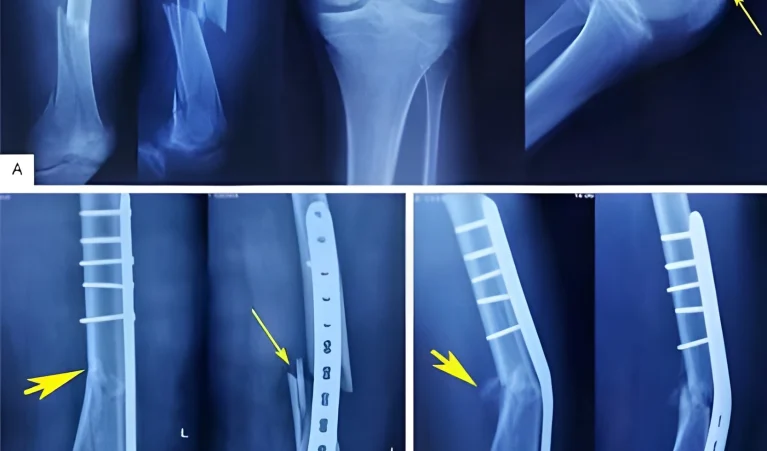
A fracture occurs when a bone cracks or breaks because of an injury, fall, accident, sports activity, or excessive force. Some fractures appear obvious, while others cause symptoms that people may initially mistake for a simple sprain or bruise. Recognising the warning signs early can help you seek appropriate medical care and reduce the risk of complications.
If you experience a significant injury, do not ignore persistent pain, swelling, or difficulty moving the affected area. Early assessment by an orthopaedic specialist can help determine whether you need an X-ray, further imaging, immobilisation, or another form of treatment.
For people looking for Fracture treatment in Bilaspur, understanding the symptoms can help them make timely decisions about professional medical evaluation.
A fracture can produce several noticeable symptoms. However, symptoms vary depending on the location and severity of the injury.
You should take these symptoms seriously, particularly when they appear immediately after a fall, road accident, sports injury, or heavy impact.
Pain is one of the most common symptoms of a fracture. The pain may begin suddenly when the injury occurs and can become worse when you move, touch, or place pressure on the affected area.
However, pain intensity alone cannot confirm a fracture. Some minor fractures may cause manageable discomfort, while serious injuries can cause severe pain. Therefore, you should not rely only on how much pain you feel.
If pain continues after an injury or prevents you from using the affected body part normally, seek medical assessment. A doctor can examine the injury and recommend appropriate diagnostic tests.
Swelling can occur with fractures, sprains, ligament injuries, and bruises, so it does not automatically confirm a broken bone. Nevertheless, sudden and significant swelling following an accident deserves attention.
Fractures can damage nearby tissues and blood vessels, which may cause swelling and bruising. If swelling increases quickly or occurs alongside severe pain, deformity, or difficulty moving the limb, obtain medical evaluation promptly.
Avoid repeatedly pressing or manipulating the swollen area because unnecessary movement could worsen an injury.
A visible change in the normal shape of an arm, leg, finger, or other body part can strongly suggest a fracture or dislocation. For example, the injured limb may look bent, shortened, twisted, or positioned differently from the opposite side.
Do not attempt to straighten a visibly deformed limb yourself. Immobilise the area as comfortably as possible and seek urgent medical attention.
A visible deformity can indicate a more serious injury that requires professional assessment and appropriate fracture management.
After an injury, you may notice that you cannot move your arm, wrist, ankle, knee, or other body part normally. Pain can restrict movement, but a fracture may also interfere with the normal function of the affected bone and surrounding tissues.
If you cannot walk after a leg injury or cannot use your hand following a fall, do not assume that the injury will resolve on its own. A medical examination can identify whether you have a fracture or another musculoskeletal injury.
Bruising occurs when small blood vessels beneath the skin become damaged. It can accompany fractures, especially when an impact affects the tissues around the bone.
Tenderness is another common symptom. You may experience sharp or localised pain when you touch the injured area. When bruising and tenderness occur together with swelling, restricted movement, or significant pain, you should consider professional evaluation.
These symptoms do not prove that a fracture exists, but they can provide important clues that justify further examination.
You should consider consulting the when an injury causes persistent pain, swelling, restricted movement, deformity, or difficulty bearing weight.
An orthopaedic doctor can assess your symptoms, review how the injury happened, examine the affected area, and recommend suitable diagnostic investigations. An X-ray commonly helps identify many fractures, while some complex injuries may require additional imaging.
Prompt assessment can also help doctors identify associated soft-tissue damage and determine the most appropriate treatment approach.
Fractures can take several forms. A simple fracture may involve a break without an open wound, while a compound or open fracture occurs when the broken bone damages or penetrates the skin. Other fractures may involve multiple bone fragments, a partial break, or a crack caused by repeated stress.
Children, older adults, athletes, and people involved in high-impact accidents may experience different types of fractures. Treatment therefore depends on factors such as the bone involved, fracture pattern, location, severity, age, activity level, and overall condition.
A specialist can evaluate these factors before recommending treatment.
Doctors select fracture treatment according to the nature of the injury. Some fractures can heal effectively with immobilisation using a cast, splint, or brace. Other fractures may require repositioning of the bone, known as reduction.
More complicated fractures may require surgical intervention to restore alignment and stabilise the bone. Depending on the injury, doctors may use plates, screws, rods, or other fixation methods.
After the initial treatment, rehabilitation can help restore strength, flexibility, balance, and normal movement. Following the recommended recovery plan can support proper healing and help reduce the risk of future problems.
Delaying assessment after a significant injury can make it harder to identify the exact problem and may allow complications to develop. Some fractures can heal in an incorrect position when they do not receive appropriate management.
Delayed treatment may also affect mobility, joint function, and recovery time. This does not mean every injury requires emergency treatment, but persistent or severe symptoms deserve professional attention.
If you suspect a fracture, avoid unnecessary movement and seek medical advice rather than relying solely on home remedies.
Before visiting an orthopaedic specialist, try to remember how the injury happened, when the symptoms started, and whether the pain or swelling has changed. Tell the doctor about any difficulty walking, gripping, lifting, or moving the affected area.
If you already have medical reports or previous imaging related to the injury, carry them to the consultation. Clear information can help the doctor understand the injury and plan appropriate investigations.
Recognising fracture symptoms can help you seek timely medical attention. Severe pain, swelling, bruising, tenderness, restricted movement, inability to bear weight, numbness, or visible deformity can all indicate the need for professional assessment.
You should never try to diagnose a fracture based only on symptoms. Sprains and other injuries can produce similar signs, while some fractures may initially cause relatively mild discomfort.
If you suspect a broken bone, consult an appropriate orthopaedic specialist for evaluation. Mundra Hospital can be considered when searching for professional orthopaedic care and Best orthopaedic doctor in Bilaspur. Early assessment and appropriate treatment can support better recovery and help patients return to normal daily activities safely.

Hi There, my name is Paul and I am one of the writers for Blogging Beep. I am an accountant during the day with a deep passion in helping others through written expression and creation of content. Hope you like my articles. Feel free to share my articles on your social channels.

Straight, smooth, and manageable hair can make everyday styling much easier. However, every hair type responds differently to chemical or...

The construction industry is changing rapidly as technology becomes an important part of planning, designing, and managing projects. The use...