

How To Fund Business Startups
July 23, 2021

July 23, 2021

July 24, 2021

July 22, 2021

December 8, 2021


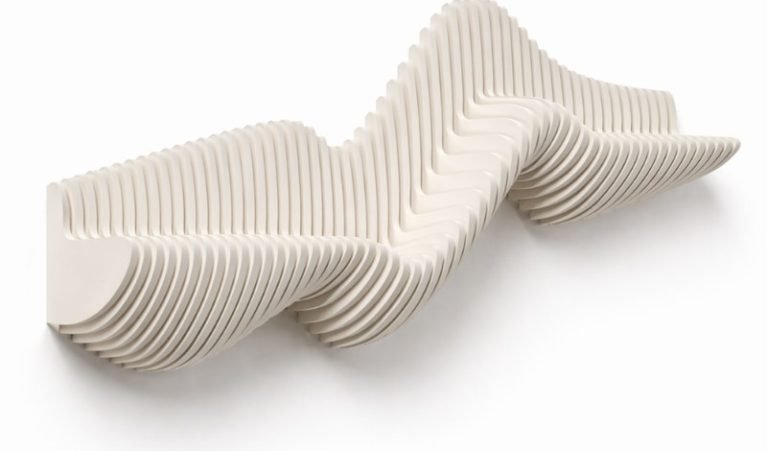
Modern interior design is constantly evolving, and homeowners, architects, and designers are looking for new ways to combine functionality with artistic expression. One design trend that has gained attention in recent years is parametric furniture. Known for its flowing shapes, complex patterns, and digitally inspired forms, parametric design can transform ordinary furniture into eye-catching statement pieces.
Among the many applications of this design approach, the parametric table has become particularly popular. From coffee tables and dining tables to reception desks and workspaces, parametric tables bring a distinctive visual character to both residential and commercial interiors.
Parametric furniture refers to furniture designed using parameters, algorithms, and digital modeling techniques. Instead of relying only on traditional geometric shapes, designers can create furniture with curves, waves, layers, and organic structures.
The word “parametric” relates to the use of adjustable parameters. Designers can modify elements such as curves, dimensions, spacing, thickness, and patterns within a digital model. This makes it possible to develop highly customized furniture while maintaining a consistent design concept.
The result is often furniture that looks sculptural while still serving a practical purpose. A chair, table, shelf, or partition can become both a functional object and a piece of interior art.
One of the biggest reasons behind the popularity of parametric furniture is its ability to create something visually different from conventional furniture. Traditional furniture often follows predictable lines and standard proportions. Parametric designs, on the other hand, can introduce movement and fluidity into a space.
Another advantage is customization. Digital design allows furniture dimensions and patterns to be adjusted according to a specific project. This can be particularly useful when designing furniture for unusual spaces or creating pieces that need to match a particular architectural concept.
Parametric furniture can also work with modern manufacturing technologies such as CNC cutting and digital fabrication. These technologies make it easier to translate complex digital designs into physical products.
A parametric table is one of the most recognizable examples of parametric design in furniture. Its defining feature is usually an unconventional structure created through carefully calculated curves, layers, or patterns.
For example, a parametric coffee table may feature multiple curved wooden layers arranged to create a wave-like appearance. A dining table may use flowing legs or a sculptural base to create a dramatic centerpiece.
Because of their distinctive appearance, parametric tables can work especially well in contemporary homes, luxury offices, restaurants, hotels, galleries, and creative workspaces.
Different materials can be used to create parametric furniture, depending on the desired appearance, strength, and manufacturing method.
Wood is one of the most popular choices because it offers warmth and natural texture. Layered plywood, MDF, and engineered wood can be CNC-cut into precise shapes and assembled into intricate forms.
Metal can also be incorporated into parametric designs, particularly when durability and structural strength are important. In some projects, designers combine wood with glass, acrylic, metal, or other materials to create a more contemporary appearance.
The choice of material can significantly influence the final character of a parametric table or other furniture piece.
Although parametric furniture is strongly associated with contemporary design, it can be adapted to different interior styles.
In a minimalist interior, a single sculptural parametric table can become a focal point without requiring excessive decoration. In a luxury setting, detailed curves and premium materials can create an elegant and sophisticated atmosphere.
For commercial interiors, parametric furniture can also support brand identity. A uniquely designed reception desk, seating area, or conference table can make a business environment more memorable.
Before purchasing or commissioning a parametric table, consider the size of the room and the furniture’s intended function. A highly sculptural table can become the visual centerpiece of a room, so surrounding furniture should complement rather than compete with it.
Durability is another important consideration. Ask about the material, construction method, surface finish, and maintenance requirements. If the table will be used frequently, its practical performance should be considered alongside its appearance.
It is also worth discussing customization options with the designer or manufacturer. Dimensions, colors, materials, and patterns may be adjustable depending on the production process.
As digital design and manufacturing technologies continue to develop, parametric furniture is likely to offer even more possibilities for customization and experimentation. Designers can explore increasingly complex forms while using computer-controlled manufacturing to achieve precise results.
The combination of technology, craftsmanship, and creative design makes parametric furniture more than simply a trend. It represents a different approach to creating functional objects—one where furniture can be both useful and visually expressive.
Whether you are redesigning a home, planning a commercial interior, or simply looking for a distinctive statement piece, a parametric table can introduce an artistic and contemporary element to the space. With its combination of functionality, customization, and sculptural design, parametric furniture offers an exciting way to rethink what modern furniture can be.

Hi There, my name is Paul and I am one of the writers for Blogging Beep. I am an accountant during the day with a deep passion in helping others through written expression and creation of content. Hope you like my articles. Feel free to share my articles on your social channels.

Natuurlijke materialen en handgemaakte decoraties geven een interieur een unieke uitstraling. Vooral houten sculpturen zijn geliefd vanwege hun warme kleuren,...

Creating a beautiful dining room requires furniture that combines elegance, comfort, and functionality. Modern homeowners often prefer furniture that looks...
