

How To Fund Business Startups
July 23, 2021

July 23, 2021

July 24, 2021

July 22, 2021

December 8, 2021


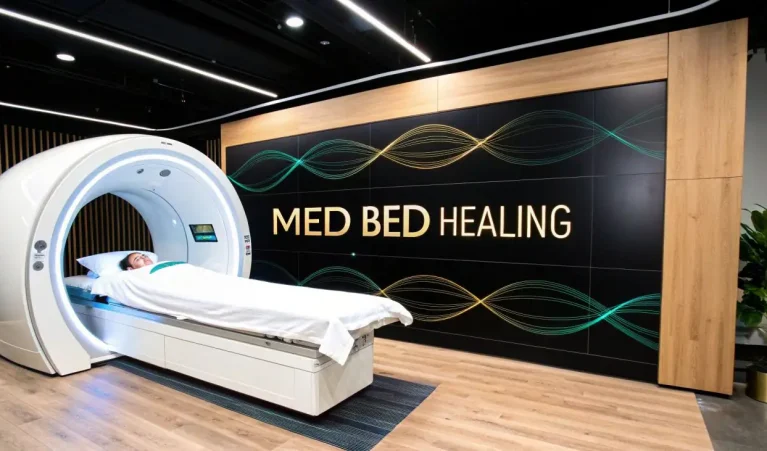
Med bed technology refers to a range of technologies used in advanced wellness, recovery, and medical environments. The term can describe different systems depending on the manufacturer and intended application. Some technologies focus on controlled oxygen environments, while others may incorporate monitoring, pressure management, light, sound, or other therapeutic features.
It is important to distinguish established medical technologies from claims that have not been supported by clinical evidence. Modern medical equipment must meet appropriate safety and regulatory requirements before healthcare professionals use it with patients.
Med beds may combine several technologies into one treatment environment. The exact design depends on whether the system supports hyperbaric treatment, rehabilitation, relaxation, or another specialized purpose.
Hyperbaric technology is one of the most established technologies associated with specialized treatment chambers. A hyperbaric chamber allows a person to breathe oxygen in an environment where atmospheric pressure is increased above normal levels.
During a medically supervised hyperbaric treatment, pressure increases gradually. The patient then breathes oxygen according to the treatment protocol. After the session, pressure decreases gradually before the patient leaves the chamber.
This process can increase the amount of oxygen available to body tissues. Healthcare professionals use hyperbaric oxygen therapy for specific medical indications, with treatment decisions based on clinical assessment.
Modern chamber systems can include pressure controls, oxygen delivery systems, monitoring equipment, communication systems, and emergency features. These components work together to support controlled and supervised treatment.
Oxygen delivery plays an important role in hyperbaric systems. Depending on the chamber design, the patient may breathe oxygen through a mask, hood, or another approved delivery system.
The equipment must regulate oxygen concentration and delivery carefully. Oxygen is highly supportive of combustion, so chamber operators must follow strict safety procedures.
Manufacturers therefore design specialized systems with safety controls, appropriate materials, ventilation arrangements, and operating procedures. Trained personnel also monitor patients throughout treatment.
When evaluating med bed technology, users should look beyond marketing descriptions and examine the actual oxygen delivery method, safety features, certifications, and intended clinical use.
Pressure control represents another important technology in hyperbaric systems. A chamber must increase and decrease pressure in a controlled manner.
Modern systems use valves, regulators, gauges, sensors, and computerized controls to manage pressure. Operators can monitor chamber conditions throughout a session and respond when measurements move outside expected parameters.
Pressure control also supports patient comfort. Gradual pressurization and depressurization can help patients adjust to changes in atmospheric pressure.
Reliable monitoring becomes particularly important because hyperbaric treatments involve controlled environmental conditions. Proper installation, maintenance, and professional operation help reduce avoidable risks.
Sensors help healthcare professionals monitor treatment conditions and, where appropriate, patient-related information. Depending on the equipment, monitoring may include chamber pressure, temperature, oxygen concentration, or other environmental measurements.
Some advanced systems may connect sensors to digital displays or control software. This allows operators to view important information during treatment rather than relying only on manual measurements.
Patient monitoring can also support clinical decision-making. However, the specific monitoring capabilities vary between systems. Buyers should review technical specifications carefully instead of assuming that every med bed provides the same monitoring functions.
Digital control systems can simplify the management of sophisticated equipment. A modern system may use a touchscreen or computer interface to display pressure, treatment duration, alarms, and other operating information.
Automated controls can help operators follow predefined treatment parameters. Alarm systems can also alert staff when certain conditions require attention.
However, automation does not replace trained professionals. Operators still need to understand the equipment, follow manufacturer instructions, check safety systems, and respond appropriately to alarms.
For facilities considering med bed technology, ease of operation should therefore be evaluated alongside reliability, training requirements, maintenance, and regulatory compliance.
Hyperbaric medicine training helps healthcare professionals understand the principles, procedures, and safety considerations associated with hyperbaric environments.
Training can cover topics such as pressure effects, oxygen safety, patient selection, treatment protocols, emergency procedures, equipment operation, and contraindications. The specific curriculum depends on the training provider and professional role.
Technology alone cannot guarantee safe treatment. Qualified personnel need appropriate knowledge and practical skills to operate specialized equipment correctly.
For organizations investing in hyperbaric equipment, staff training should form part of the overall implementation plan. Facilities should also maintain documented procedures for equipment checks, patient assessment, emergency response, and routine maintenance.
Some systems marketed as med beds may incorporate light-based or electrical technologies. These can include LEDs, therapeutic lighting, electrical stimulation, or other device-specific technologies.
The purpose and evidence behind each technology can vary significantly. Some forms of light therapy and electrical stimulation have specific clinical applications, while other claims may require additional scientific validation.
Users should therefore identify the exact technology used rather than treating all med beds as a single category. They should also review peer-reviewed research, regulatory information, manufacturer documentation, and professional guidance before considering a treatment.
Environmental control can improve comfort and help maintain appropriate operating conditions. Depending on the system, temperature sensors, ventilation, humidity management, and air circulation may form part of the design.
Hyperbaric environments require careful management because pressure, oxygen concentration, temperature, and ventilation can affect both equipment operation and patient safety.
A well-designed system provides operators with clear information about environmental conditions. Regular inspection and maintenance help ensure that these systems continue to work as intended.
Safety features depend on the specific technology and intended use. Hyperbaric systems may include emergency pressure-release mechanisms, communication systems, alarms, fire-safety measures, pressure monitoring, oxygen monitoring, and controlled ventilation.
Manufacturers should provide clear operating instructions and maintenance requirements. Facilities should also establish procedures for equipment inspection and staff training.
Before purchasing equipment, healthcare organizations should verify applicable regulatory approvals and standards in their jurisdiction. They should also determine whether the equipment is appropriate for the intended clinical application.
Life Force Med Beds can be evaluated using the same practical principles: identify the technology, understand its intended purpose, examine its safety systems, and review the evidence supporting its use.
Choosing specialized equipment requires more than looking at the number of features. Start by identifying the intended application and the type of treatment the facility plans to provide.
Next, examine technical specifications. Look at pressure capabilities, oxygen delivery, monitoring systems, controls, chamber construction, safety mechanisms, maintenance requirements, and training needs where applicable.
You should also consider installation requirements and after-sales technical support. Reliable service can become particularly important when equipment forms part of a clinical workflow.
Most importantly, separate established medical applications from unsupported claims. Ask manufacturers for documentation, certifications, clinical evidence, and clear information about intended use.
The future of med bed technology will likely involve greater integration between sensors, digital controls, patient monitoring, and healthcare information systems. Automation may make equipment easier to operate while giving professionals more detailed information during treatment.
Artificial intelligence and connected monitoring could also influence future medical equipment, although their usefulness will depend on clinical validation, regulation, cybersecurity, and safe implementation.
For now, healthcare providers should focus on technologies with clearly defined applications and appropriate evidence. Life Force Med Beds represents a name associated with this growing field, but every specific device should be assessed according to its actual specifications, regulatory status, intended use, and supporting evidence.
Understanding the technology behind a med bed helps healthcare professionals and buyers make informed decisions. From pressure regulation and oxygen delivery to monitoring sensors and digital controls, each component has a specific role. When combined with qualified personnel, appropriate training, and proper safety procedures, established technologies can support controlled and responsible medical treatment environments.

Hi There, my name is Paul and I am one of the writers for Blogging Beep. I am an accountant during the day with a deep passion in helping others through written expression and creation of content. Hope you like my articles. Feel free to share my articles on your social channels.

Choosing the right dentist plays an important role in maintaining healthy teeth and gums. Whether you need a routine dental...

A beautiful smile can improve your confidence and make a positive impression. However, minor dental imperfections, such as chipped teeth,...
