

Early Childhood Education Career
July 24, 2021

July 24, 2021

July 23, 2021

July 22, 2021

July 24, 2021


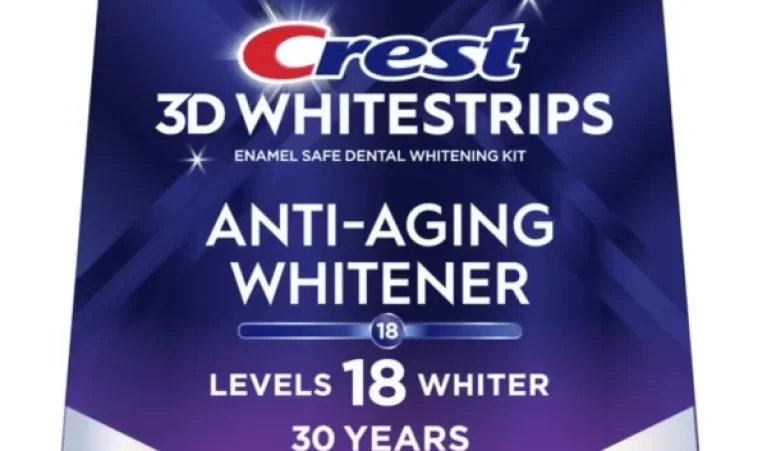
A bright, confident smile can make a strong first impression. However, everyday habits such as drinking coffee, tea, red wine, and certain foods can gradually stain the teeth. Professional whitening treatments can deliver noticeable results, but many people prefer an at-home option that fits easily into their routine. This is where crest 3d whitestrips have become a popular choice.
But do these whitening strips actually work? The answer is generally yes. When used correctly and consistently, whitening strips containing peroxide-based whitening ingredients can help reduce many surface and deeper stains. However, results vary from person to person, and these products are not suitable for every dental concern.
crest 3d whitestrips are thin, flexible strips designed to apply a whitening gel directly to the teeth. The active whitening ingredient in many versions is a peroxide compound that helps break down stain molecules on the tooth surface and within the enamel.
The strips are designed for home use, which makes them convenient for people who want to brighten their smile without scheduling frequent dental appointments. Depending on the specific product, users typically wear the strips for a recommended period over a series of applications.
The exact formulation, wear time, and treatment schedule can differ between products. Therefore, it is important to follow the instructions supplied with the particular package rather than assuming every whitening strip works in exactly the same way.
So, how do crest teeth whitening strips brighten teeth? The whitening gel uses peroxide to interact with compounds responsible for discoloration. This process can break down stain molecules and make teeth appear lighter.
Unlike ordinary toothpaste, which mainly removes surface debris and some external stains through brushing, whitening strips deliver a whitening agent directly against the tooth surface for a longer period.
The results are usually gradual rather than instant. With regular use according to the product directions, users may notice their teeth becoming visibly brighter during the treatment period.
For many people, crest 3d whitestrips can provide noticeable whitening. Their effectiveness depends on several factors, including the type of stains, the starting shade of the teeth, the product’s peroxide concentration, and how consistently the strips are used.
They tend to work well on common stains caused by coffee, tea, wine, tobacco, and certain foods. However, whitening strips cannot change the color of dental restorations such as crowns, veneers, fillings, or bonding.
It is also important to remember that natural tooth color varies. Some people may see a significant improvement, while others may experience a more modest change.
Not all tooth discoloration develops in the same way. Understanding the difference can help you set realistic expectations.
Extrinsic stains develop on the outside of the teeth. Coffee, tea, red wine, tobacco, and strongly colored foods can contribute to these stains. Whitening products can often reduce this type of discoloration effectively.
Intrinsic stains develop deeper within the tooth. Aging, certain medications, trauma, and changes in tooth development can contribute to intrinsic discoloration. These stains can be more difficult to treat with over-the-counter whitening products.
If your teeth have significant or unusual discoloration, a dental professional can help determine the underlying cause before you begin whitening.
Whitening does not usually happen after one application. Most whitening-strip systems require repeated applications over a specified treatment period.
Some users may notice a difference relatively early, while others need to complete more of the recommended course before seeing a clear improvement. Your starting tooth shade and the type of staining can influence the outcome.
Avoid using whitening strips more frequently or for longer periods than instructed. Doing so does not necessarily produce faster results and can increase the chance of tooth sensitivity or gum irritation.
Tooth sensitivity is one of the most common concerns associated with peroxide-based whitening. Some people may experience temporary sensitivity during or after a whitening treatment.
Gum irritation can also occur if the whitening gel comes into prolonged contact with the soft tissues.
If you experience sensitivity, consider discussing whitening with your dentist, particularly if you already have sensitive teeth, gum problems, cavities, cracked teeth, or exposed tooth roots.
Following the product directions carefully can also help reduce unnecessary exposure to the whitening ingredients.
Using crest 3d whitestrips correctly is essential for getting the best possible experience. Start by reading the product instructions carefully because application times and treatment schedules vary.
Keep the strips positioned on the teeth as directed, and avoid intentionally placing them against the gums. Do not exceed the recommended wear time or frequency.
You should also maintain your regular oral hygiene routine. Brush twice daily with fluoride toothpaste, clean between your teeth, and attend routine dental checkups.
If you have untreated cavities, gum disease, significant sensitivity, or other dental problems, address those concerns before beginning a whitening treatment.
Whitening results can fade because teeth naturally encounter staining foods and drinks every day. You can help maintain a brighter smile by practicing good oral hygiene and limiting frequent exposure to heavily staining substances.
Rinsing your mouth with water after consuming coffee, tea, or other staining foods can help reduce prolonged contact with the teeth. Regular brushing and interdental cleaning also support overall oral health.
Some people may choose occasional whitening maintenance, but they should follow the instructions for their specific product and avoid excessive whitening.
Crest Europe can be a useful source for consumers looking to understand available whitening options and product information. Always check the packaging and official instructions for the exact product you intend to use.
The right option depends on your goals, budget, schedule, and dental condition.
At-home crest teeth whitening strips offer convenience and can be less expensive than professional whitening. They also allow users to complete treatment in their own homes.
Professional whitening, on the other hand, takes place under dental supervision and can be appropriate when someone wants a more controlled or intensive treatment. A dentist can also identify cavities, gum disease, restorations, or other issues that could affect whitening.
For mild to moderate everyday staining, whitening strips may provide a practical option. For complex discoloration, professional advice may be more appropriate.
Whitening strips are not automatically suitable for everyone. People with untreated dental decay, gum disease, significant enamel problems, severe sensitivity, or certain dental restorations should seek professional advice before whitening.
Pregnant or breastfeeding individuals may also wish to consult a healthcare professional before using peroxide-based whitening products.
Children and younger teenagers should not use whitening products unless a dental professional specifically recommends them.
A dental examination can help determine whether discoloration comes from ordinary staining or an underlying dental issue.
Realistic expectations are important. crest 3d whitestrips can brighten natural teeth and reduce many common stains, but they cannot create an identical shade for everyone.
The final result depends on your natural tooth color, staining history, oral health, product formulation, and consistency of use. Existing crowns, veneers, fillings, and other restorations will not whiten in the same way as natural teeth.
For that reason, consider whitening as a cosmetic improvement rather than a permanent change to your natural tooth color.
Yes, crest teeth whitening strips can be an effective at-home option for many people who want to reduce everyday tooth stains. Their peroxide-based whitening action can help make natural teeth appear brighter when the product is used according to its instructions.
However, effectiveness does not mean that stronger or more frequent use is better. Safe whitening requires patience, correct application, and attention to your dental health.
Crest Europe provides consumers with another starting point for researching whitening products, but individual dental needs can differ significantly.
Ultimately, the best whitening approach depends on the condition of your teeth and the type of discoloration you want to address. If you have healthy natural teeth with common surface stains, whitening strips may offer a convenient way to achieve a noticeably brighter smile at home. If you have persistent discoloration, sensitivity, dental restorations, or existing oral health concerns, speaking with a dentist first can help you choose a safer and more suitable approach.

Hi There, my name is Paul and I am one of the writers for Blogging Beep. I am an accountant during the day with a deep passion in helping others through written expression and creation of content. Hope you like my articles. Feel free to share my articles on your social channels.

Wood veneer can transform an ordinary surface into something that looks elegant, warm, and professionally crafted. Whether you are restoring...

Commercial properties need reliable pest protection because even a small infestation can affect employees, customers, inventory, equipment, and business reputation....

